
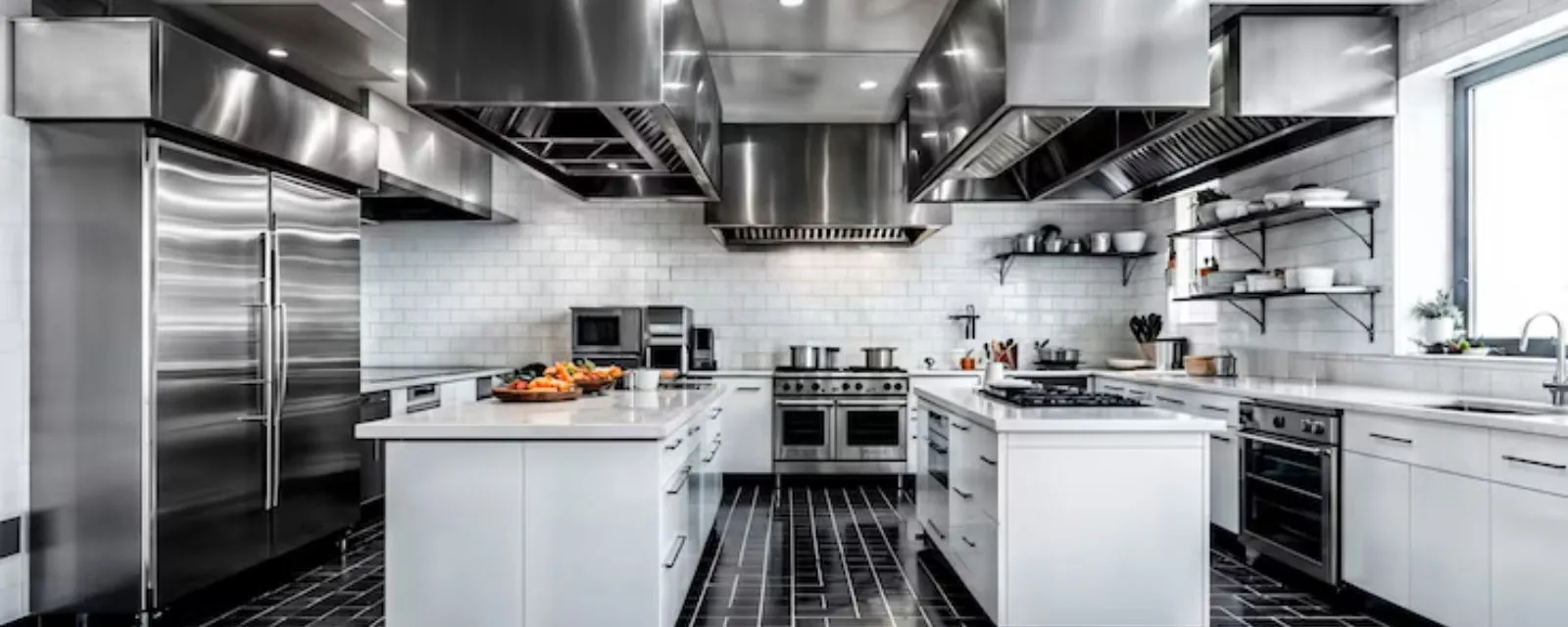
A plumbing failure in a business is not only a repair. It can close a kitchen, shut a retail floor or make a tenant space unusable until it is fixed. Emergency commercial plumbing in Holly Springs starts with our 24/7 dispatch line, and a licensed plumber is sent as soon as one is free, including nights, weekends and holidays.
Tell dispatch what the property is, what is failing, and who can let us in. That one minute at the start saves the most time on site.
When a business plumbing problem cannot wait for morning
Some problems can be bagged and booked for the next business day. These cannot, because the damage or the health risk grows while the doors are still open.
Water running through a ceiling or floor
A broken line over a suspended ceiling can bring tiles, insulation and wiring down together. Shut the water off and keep people out.
A kitchen drain or floor drain that is backing up
A restaurant with sewage on the floor usually has to stop serving food until the floor is clean and the drain runs, so a fast clear is often the only way to reopen.
No water to the building
A main line or meter valve failure leaves restrooms and handwashing unusable, and some businesses cannot stay open without them.
Multiple restrooms backing up
When toilets in several rooms react together, the building drain is blocked downstream of all of them.
What to do before the plumber arrives
These steps limit the loss and let the crew start working right away.
- Find the main water shutoff and close it. Everyone on staff should know where it is.
- Cut power to affected outlets and equipment if water is near them. Do not stand in water to do it.
- Cover or move inventory, paper goods and electronics from the wet area.
- Stop using sinks, restrooms and the dishwasher if a drain is backing up.
- Make sure someone with keys and access to the roof, ceiling panels or mechanical room can meet the plumber.
- Take photos of the damage and the source for the property owner or insurer.
Tell dispatch the address, what is failing and who can give access. We will explain the visit and the price before any work begins.
Restaurant and retail drains
Restaurant kitchens send grease, food waste and soap into drains all day, and the line fills with a thick layer that a normal cable only punches through. Retail spaces have a different problem, usually paper products, wipes and mop-bucket debris in restroom and floor drains. Both situations need heavier machines than a house call.
When a line keeps clogging, hydro jetting scrubs the pipe walls with high-pressure water instead of boring a hole through the middle. A camera inspection can show whether the line has a belly, a broken joint or roots. For the basics of clearing, see drain cleaning.
Emergency, scheduled or ongoing: how we sort commercial calls
Not every business call needs a midnight dispatch. This is how we sort them.
| Situation | How urgent | Typical response |
|---|---|---|
| Burst line, active flooding | Immediate | Stop the water, make safe, repair or isolate |
| Sewage backup in a kitchen or restroom | Same day, often immediate | Clear the line, then recommend camera or jetting |
| Slow floor drain or greasy sink | Soon, before it closes | Cable or jet, set a cleaning interval |
| Annual backflow test due | Planned | Schedule the test and file the report |
| Grease trap near full | Planned | Schedule cleaning before it overflows |
| Suspected hidden leak, high water bill | Planned | Meter check, pressure test, then pinpointing |
Commercial leak detection: what it can and cannot do
Leak detection in a commercial building is harder than in a house. Pipes run behind finished walls, above ceilings and under large slabs, and several tenants may share one meter. We start with the meter and a pressure test, then use listening gear and a thermal camera to narrow the search.
Be wary of anyone who promises an exact spot every time. In a big building or under concrete, the honest answer is sometimes that the leak is narrowed to a section, and the fix is to isolate that section or open one access point. If the leak does not need locating, we will say so. Our leak detection page explains the tools in more detail.
Backflow testing and planned maintenance
A backflow preventer keeps water from the building from flowing back into the public supply. Many commercial properties have one on the irrigation line, the fire line or the main, and they are tested on a schedule. The CCWSA Backflow Department is at (770) 479-9107 and can tell you what applies to your account.
Test results are submitted to CCWSA through its portal by the backflow tester or master plumber, not by the business. Testing is planned work, so book it before the due date, not in the last week. If the device fails, repair parts and a retest follow.
Grease traps and storm drains
A grease trap catches fat before it enters the sewer. When it is full, it stops catching and starts passing grease to the building line, and the kitchen drain slows first. Cleaning on a regular interval costs far less than clearing a blocked line.
Storm drains and catch basins on a parking lot collect leaves, silt and trash. After a heavy rain, a clogged basin pushes water toward doors. Ask dispatch whether your site needs a different contractor for this work. A plumber can tell you if the pipe past the inlet needs a camera look.
Reactive calls and a planned maintenance schedule
For a business, the cheapest emergency is the one that never happens.
Waiting for a failure
- Backups and leaks happen during business hours
- After-hours work may cost more
- Inventory and floors take the damage
- Closure time is unplanned
Scheduled service
- Drain jetting and trap cleaning on a set interval
- Backflow tests done before the due date
- Repairs booked during slow hours
- Problems found on a visit instead of a crisis
Sewage and electrical hazards
Water and electric panels do not mix, so keep out of flooded rooms if outlets or equipment are below the waterline. Wastewater on the floor is a health hazard for staff and customers. Close the affected area and call dispatch before staff try to clean it up.
Property managers, landlords and tenant calls
When a tenant calls you about a leak, you can call us with the property address and the tenant's contact, and we will confirm who is paying before work begins. Written work orders, an approved spending limit and a named contact for access all speed up the visit. After-hours calls are common for multi-tenant buildings, and dispatch is open 24/7 for them.
We repair plumbing, but drying a building, mold removal, ceiling and drywall rebuild and electrical repairs are separate trades. We tell you when a job needs one of them.
What affects the price of commercial plumbing work
We give a clear price before work starts. Business property policies often cover sudden water damage but not the repair of the failed pipe itself, so check with your agent or the building owner.
Size and age of the system
Large pipes, older cast iron and multiple floors add time.
Access and hours
A mechanical room open at night is quicker than a locked roof or occupied tenant space.
Equipment needed
A hydro jet, a camera or a trailer-mounted machine costs more than a hand cable.
Scope of the clean-up
Restoring water service in a section can be quick. Replacing a failed run is larger.
Time of day
Nights and weekends can be priced differently, and dispatch tells you before anyone is sent.
Want your real number? Describe the building and what is failing, and dispatch will walk you through the likely visit.
Commercial properties around Holly Springs
Interstate 575 passes through Holly Springs at exits 11 and 14, and many food and retail businesses along that route share a building with other tenants. If you lease space, ask your landlord whether the building has a backflow device or a grease interceptor, and who maintains it. For permit questions on commercial work inside city limits, ask the City of Holly Springs at 770-345-5536.
For commercial addresses outside the city, the Cherokee County Development Service Center at 770-721-7810 handles plumbing permits. We also take calls in Canton when a business there needs the same dispatch line. Georgia's minimum plumbing code is based on the International Plumbing Code (IPC) with state amendments.
Commercial plumbing questions
Do you handle commercial plumbing emergencies at night or on weekends in Holly Springs?
Yes. Dispatch is open 24/7 for burst lines, backups and shutdowns at businesses. Give the address, the problem and who can let the plumber in, and you hear the price before work starts.
Can you find a hidden leak in a commercial building?
Sometimes to the exact spot, sometimes only to a section. A meter check and pressure test tell us if there is a leak at all. We tell you honestly if pinpointing is not likely.
Who tests backflow devices for CCWSA customers?
A licensed tester or master plumber tests it and submits the results through the CCWSA portal. Call the CCWSA Backflow Department at (770) 479-9107 to confirm what your account needs.
How often should a restaurant grease trap be cleaned?
It depends on how much grease the kitchen produces. Many kitchens clean on a fixed schedule, and a trap that is full every few weeks needs a shorter interval. We can advise after seeing it.
My tenant reported a leak. What do I need to give you?
The property address, the tenant's name and phone, and who authorizes the spend. Say whether the tenant or the owner is responsible so we can invoice the right party.
Do you work on residential too?
Yes. The same dispatch line covers homes. See drain cleaning and toilet repair for home services.